Which Screw Head Is Best for Fixing Thin Metal Sheets Without Damage?
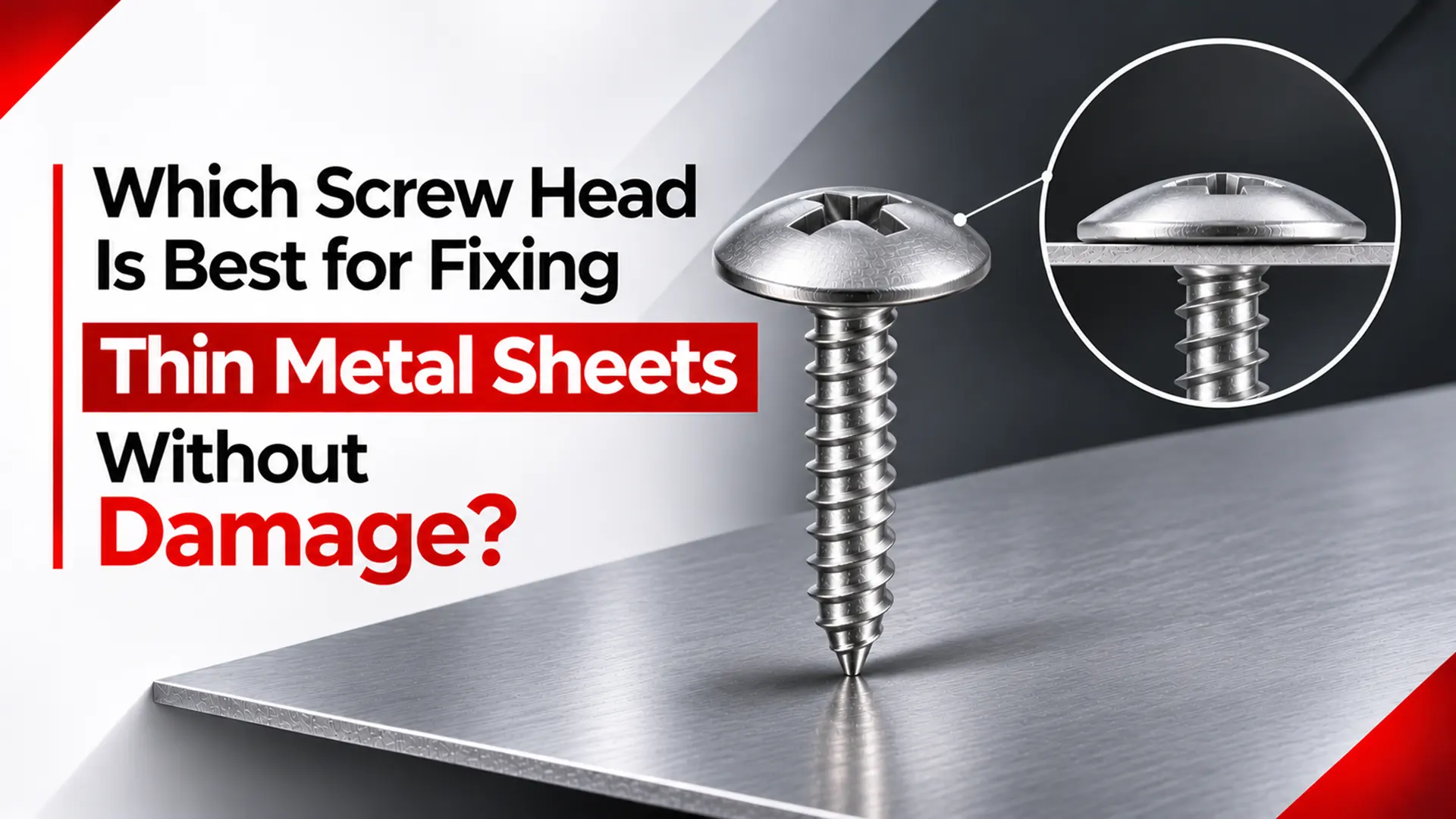
Fixing thin metal sheets requires more than selecting a screw with the right length. The screw head also plays an important role in how securely the sheet is held and how pressure is distributed around the fastening point. A poorly selected head may create dents, distort the metal surface or leave an uneven finish. This is why choosing a Truss Head Screw can be a practical consideration for applications where a broader contact area is preferred.
Thin metal sheets are commonly used in fabrication work, roofing components, ducting, equipment enclosures and various interior and industrial applications. Since these sheets have limited thickness, excessive pressure around a fastening point can affect their shape. The right screw head helps create a more controlled fixing when used with suitable installation methods.
Why screw head design matters
A screw head is not simply the part that remains visible after installation. Its shape determines how it sits against the material and how the fastening pressure is distributed.
When a narrow or unsuitable head is used on a thin sheet, the contact area may be limited. This can concentrate pressure around a smaller section of the metal. Depending on the material thickness, installation force and support behind the sheet, this may lead to surface deformation.
A broader head offers a larger bearing surface. It helps spread the clamping force across a wider area, reducing the likelihood of localised pressure when the screw is installed correctly. However, the head design alone cannot prevent damage. Proper hole preparation, screw selection and controlled tightening are equally important.
What makes a truss head suitable for thin metal?
A Truss Head Screw features a wide, low-profile head with a relatively large bearing surface. Compared with several conventional screw head designs, its broader shape provides more contact with the material being fastened.
This design can be useful when fixing thin metal sheets because the load is distributed over a wider area. It can also help hold the sheet securely without requiring a deeply recessed head.
The low-profile shape is another practical feature. It allows the head to sit close to the surface while maintaining a broad contact area. This can be beneficial in applications where a protruding screw head is not desirable but a countersunk fixing is not suitable.
Buildwell offers Fastening Products for different installation requirements. Selecting the appropriate screw from its product range should always depend on the sheet material, thickness, supporting structure and intended application.
Comparing common screw head designs
Different screw heads serve different purposes. Understanding their basic characteristics helps when selecting fasteners for thin metal sheets.
Pan head: Pan head screws have a rounded top and a relatively flat underside. They are commonly used for general fastening applications where a visible rounded head is acceptable. Their bearing area may be suitable for many installations, but the exact contact surface depends on the screw dimensions.
Flat head: Flat head screws are designed to sit flush when installed in a correctly prepared countersunk opening. They are useful when a smooth surface is required. However, creating a countersunk seat in a very thin sheet may reduce the surrounding material and requires careful consideration.
Hex head: Hex head screws provide an external driving surface that can support higher installation torque when the fastener and application are designed for it. They are often selected for applications requiring a firm mechanical fixing, although their larger profile may not suit every thin sheet installation.
Truss head: The wider, low-profile design provides a broad bearing surface. This makes it a useful option where the sheet needs support around the fastening point without a countersunk recess.
The best choice depends on the complete fastening arrangement rather than the head shape alone.
How to prevent damage during installation
Even a suitable screw can damage thin metal if it is installed incorrectly. A careful process helps maintain the sheet’s shape and supports a reliable fixing.
Begin by checking the thickness and type of metal. Aluminium, galvanised steel and other sheet materials can respond differently to drilling and fastening pressure. The screw material and coating should also be compatible with the application to reduce the risk of corrosion or unwanted material interaction.
Next, confirm the required screw diameter and length. A fastener that is too long may interfere with components behind the sheet, while an unsuitable diameter may create an oversized opening or excessive stress around the fixing point.
Where pilot holes are required, use the correct drill size and keep the drilling position accurate. Avoid applying unnecessary force while drilling. The sheet should be properly supported to minimise vibration and movement.
During installation, use a suitable driver and controlled speed. Excessive torque can deform the metal, damage the screw head or strip the fastening point. Stop tightening once the head is seated securely. Do not force the head further into the sheet in an attempt to create a tighter finish.
For applications exposed to vibration or movement, check whether additional support or an appropriate washer is required. The fastening arrangement should be selected according to the load and working conditions.
Common mistakes to avoid
One frequent mistake is selecting a screw only by its length or appearance. The head shape, thread design, material compatibility and installation method all influence the final result.
Another mistake is overtightening. Thin metal can deform under excessive clamping pressure, even when the selected fastener is appropriate. Using an unsuitable drill bit or failing to support the sheet during installation can also affect the finished surface.
It is equally important not to assume that every broad-head screw is interchangeable. Dimensions, thread type and material specifications must match the application. For critical structural or load-bearing installations, follow the relevant engineering specifications rather than relying on head design alone.
Making the right fastening choice
For many thin metal sheet applications, a Truss Head Screw is worth considering because its wide, low-profile head provides a larger bearing surface. This can help distribute pressure more evenly around the fixing point and support a neat installation.
However, the final selection should account for metal thickness, screw dimensions, thread engagement, corrosion exposure and the load involved. A correctly selected fastener combined with careful drilling and controlled tightening is what helps reduce the risk of damage.
Buildwell provides fastening products for a range of construction and installation requirements. By understanding the application before choosing a fastener, professionals can make more informed decisions and achieve dependable results.
Contact Buildwell
For product details and fastening requirements, connect with Buildwell.
Email: sales@buildwell.in
WhatsApp: 7900336699
Toll Free: 1800 102 8031
Recent Posts
Which Screw Head Is Best for Fixing Thin Metal Sheets Without Damage?