How WPC louvres panels bring structure and character to modern interior spaces
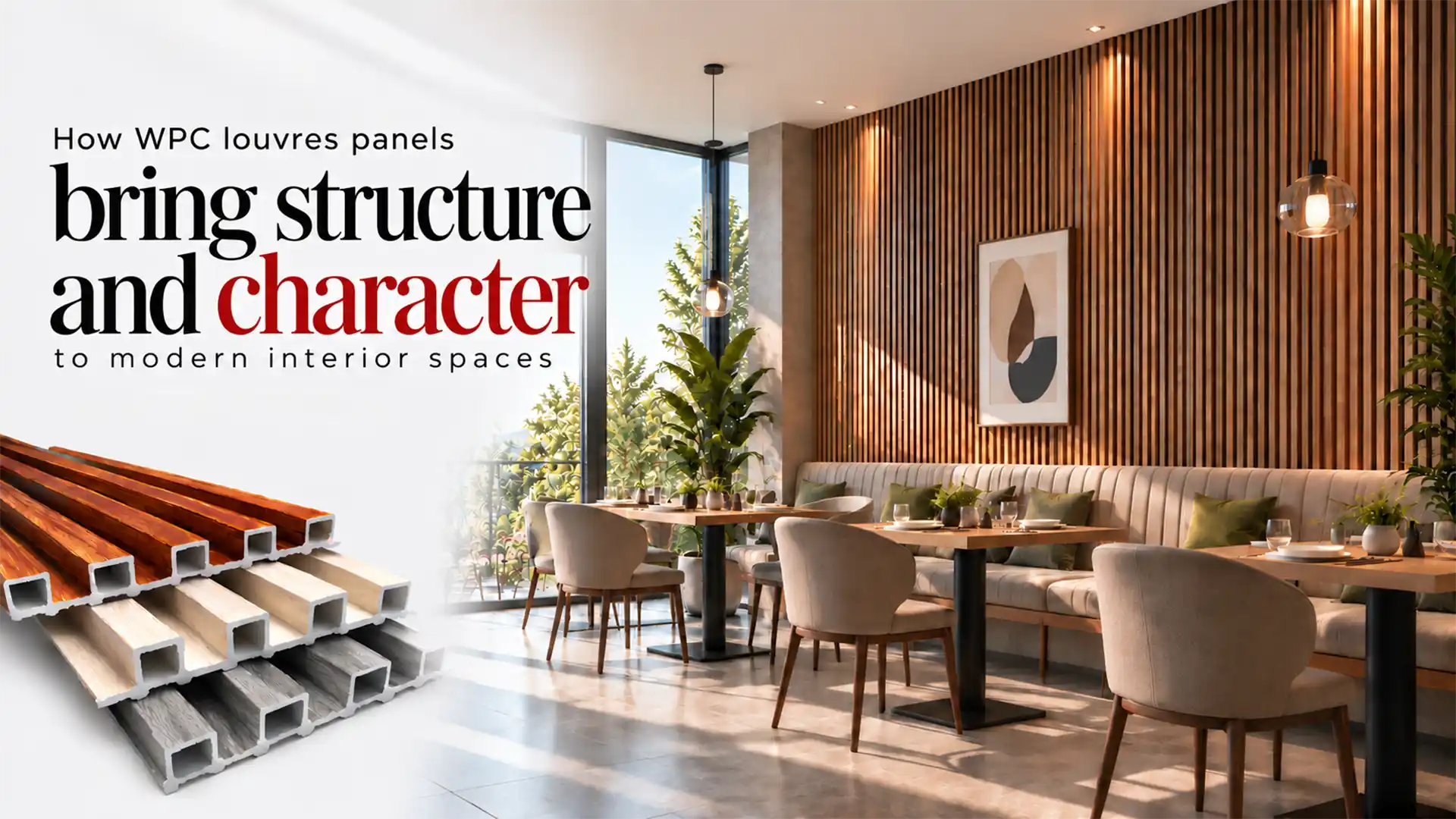
Modern interiors are increasingly shaped by texture, proportion and carefully planned visual lines. WPC Louvres Panel designs bring these elements together through a structured profile that can add depth and character without making an interior appear overly decorative. Their linear appearance can complement contemporary spaces while introducing a warm, wood inspired quality.
Buildwell offers interior decoration products for projects where design details need to work together naturally. When louvres are selected according to the proportions, lighting and existing materials of a space, they can become an important part of its visual identity.
Creating interest through linear design
Flat surfaces can provide a clean appearance but they may sometimes lack visual variation. Repeated lines introduce another dimension by creating a rhythm that the eye can follow across the surface.
A WPC Louvres Panel uses this principle through its repeated vertical profile. The raised and recessed sections create subtle changes in light and shadow, making the surface appear more dimensional without depending on complicated patterns.
This structured appearance makes louvres suitable for interiors where the objective is to introduce texture while maintaining a neat and contemporary character.
Bringing warmth into contemporary spaces
Modern design can sometimes rely heavily on smooth finishes, glass, metal and neutral colours. While these materials create a sophisticated appearance, too many uniform surfaces can make an interior feel visually cold.
Wood inspired decorative elements can provide a useful contrast. A WPC Louvres Panel can introduce warmth through its finish while retaining the clean geometry associated with contemporary design.
Buildwell interior decoration range can be considered when different materials need to be combined to create a balanced visual environment.
Using vertical lines to influence proportion
The direction of a decorative pattern can influence how an interior is perceived. Vertical lines naturally encourage the eye to move upwards and can create a stronger sense of height.
A WPC Louvres Panel can reinforce this effect when installed across an appropriately selected section. Its repeated vertical profile can also provide a visual counterpoint to furniture or architectural elements that have stronger horizontal lines.
The result is not simply added decoration. The direction of the pattern becomes part of the interior’s overall composition.
Defining areas without physical separation
Large contemporary spaces often contain different functional zones without requiring complete physical divisions. Visual materials can help establish these zones while allowing the overall space to remain connected.
A louvred section can distinguish one area through texture, colour and pattern. A WPC Louvres Panel can therefore help identify a particular zone while maintaining a sense of continuity with the surrounding interior.
Buildwell can support this type of planning through interior decoration products that allow different areas to be given their own visual character within a coordinated design.
How light changes the appearance
Texture becomes more noticeable when light interacts with different surface levels. The raised sections of louvres can receive more illumination while the recessed areas create contrasting shadows.
This gives the decorative surface a changing appearance throughout the day. Natural light may produce a softer effect while artificial lighting can make the profile more pronounced.
Before installation, it is useful to consider the direction and intensity of available lighting. A WPC Louvres Panel can have a significantly different visual impact depending on where light falls across its profile.
Selecting the right surrounding materials
A textured decorative surface needs visual breathing space. If several heavily patterned materials are placed together, the interior can quickly become crowded.
Simpler surrounding finishes can allow the louvred profile to become the main textured element. Neutral shades, understated furniture and controlled accessories can help maintain this balance.
Buildwell Products can be selected as part of a coordinated material palette where each decorative element has a defined role. This approach allows the louvres to add character without competing with every other feature in the room.
Creating rhythm across larger areas
Repeated profiles are particularly effective when continuity is maintained. Consistent spacing creates a rhythm that can make a larger decorative section appear organised.
The installation layout should therefore be planned before fixing begins. Measurements, joining points and termination areas should be reviewed carefully so that the linear pattern remains consistent.
Where several sections meet, a WPC Louvres Panel should be aligned accurately to preserve the visual flow. Small differences may become more noticeable when repeated across a larger area.
Making furniture part of the composition
Decorative surfaces do not exist independently from the furniture around them. Seating, tables, storage units and lighting fixtures can influence how prominent a textured feature appears.
Simple furniture forms can allow the louvred surface to remain visually strong. On the other hand, highly patterned furniture may compete with its repeated lines.
Buildwell can be considered when developing an interior material plan in which decorative finishes are selected alongside the broader furniture and design concept.
Using texture to create a focal area
A focal point does not always need a bold colour. Texture itself can attract attention when it creates enough contrast with the surrounding surfaces.
A WPC Louvres Panel can provide this effect through its combination of linear structure and wood inspired character. A selected feature section can become visually distinctive while the rest of the interior remains relatively simple.
This selective approach can create greater impact than applying the same textured finish across every available area.
Planning corners and transitions
Straight sections are generally easier to align but corners require greater attention. Any change in direction can make an installation inconsistency more visible.
The placement of adjoining sections should therefore be planned before installation. Measurements should be checked carefully and termination points should be considered as part of the overall design.
Buildwell encourages an organised approach to interior decoration where product selection and installation planning are treated as connected stages rather than separate decisions.
Considering maintenance from the beginning
Textured surfaces naturally contain recessed areas where dust may collect. Regular care should therefore be considered before choosing a decorative finish.
The appropriate cleaning method depends on the product and its intended application. Cleaning should follow the manufacturer’s recommendations and unsuitable abrasive materials should be avoided unless specifically approved.
A WPC Louvres Panel can remain visually appealing with appropriate routine care. Considering maintenance at the planning stage helps ensure that the selected decorative treatment suits the practical requirements of the space.
Balancing detail with simplicity
The strongest contemporary interiors usually contain a mixture of detailed and understated elements. A textured feature becomes more effective when simpler areas provide visual balance around it.
This principle is especially relevant when using a WPC Louvres Panel. Its repeated lines already provide considerable visual information, so surrounding surfaces do not necessarily need additional patterns.
Buildwell offers interior decoration categories that can be considered when developing a balanced material palette where texture, colour and proportion work together.
Choosing the right scale
The size of the installation should relate to the proportions of the interior. A small decorative section can create a concentrated feature while a larger application can establish a stronger visual identity.
The profile itself should also feel proportionate to the area where it is being used. A thoughtful selection helps prevent the texture from appearing either too weak or unnecessarily dominant.
For this reason, a WPC Louvres Panel should be evaluated as part of the complete interior rather than as an isolated product.
Building a stronger visual identity
Interior character is often created through repeated design decisions rather than one dramatic element. Texture, colour, lighting and linear patterns can work together to establish a recognisable visual direction.
Louvres can contribute strongly to this identity because their repeated structure is immediately visible. When combined with suitable surrounding materials, they can make an otherwise simple interior feel more considered.
Buildwell can be part of a coordinated interior decoration approach where materials are selected according to their visual relationship and intended application.
A structured finish for modern interiors
The appeal of louvres lies in their ability to combine decoration with structure. Their vertical profiles create rhythm while their finish can introduce warmth and visual depth.
A WPC Louvres Panel can therefore suit interiors where a clean contemporary appearance needs an additional layer of texture. Its effectiveness ultimately depends on placement, proportion, lighting and installation quality.
With Buildwell, designers and project teams can explore decorative materials that support a balanced interior concept. When the right amount of texture is introduced in the right location, louvres can add character without overwhelming the space.
Contact Buildwell
Email: sales@buildwell.in
WhatsApp: 7900336699
Toll free: 1800 102 8031
Recent Posts