How chipboard screws provide a firm grip and reliable fastening for furniture assembly
Furniture assembly depends on more than the quality of boards and the accuracy of measurements. The fasteners used to join different components also play an important role in creating a stable and properly aligned structure. Whether assembling cabinets, shelves or modular furniture, choosing suitable screws can make a difference to the strength and finish of the final product. A Chipboard Screw is commonly used in furniture applications where secure fastening into engineered wood materials is required.
Designed for use with materials such as particleboard and other suitable wood based panels, these screws help create firm connections between components. Buildwell offers a range of fastening products for different interior and construction requirements, supporting professionals who value correct product selection and careful installation.
Understanding the role of chipboard screws
Chipboard is an engineered wood material made by combining wood particles with a bonding agent under controlled pressure and heat. It is used in various furniture applications because it offers a practical option for manufacturing panels and components.
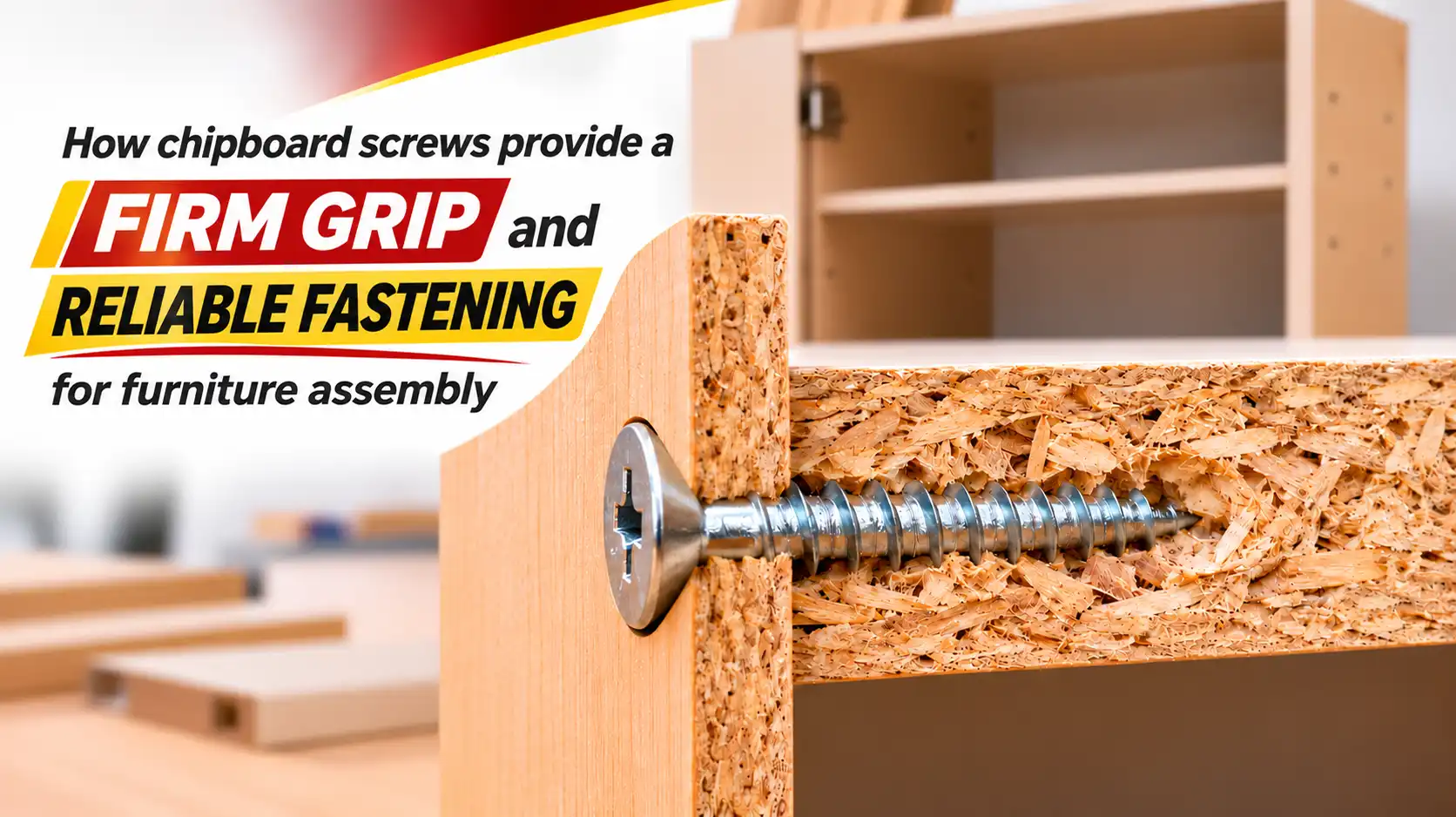
However, fastening into engineered wood requires an appropriate screw design. A Chipboard Screw is developed to create a suitable grip within compatible board materials. Its threaded design helps it engage with the material and hold connected components together.
The screw must be selected according to the board thickness, density and intended application. Choosing an unsuitable fastener may affect the quality of the joint or damage the board during installation.
How chipboard screws support a firm grip
A secure furniture joint depends on how effectively the fastener engages with the material. The screw design, thread and installation method all contribute to the connection.
Thread engagement
The threaded section helps the screw grip the board as it is driven into the material. Proper engagement supports the connection between the joined components.
Suitable fastening design
Different furniture applications may require different screw lengths and designs. Selecting a fastener according to the material and joint requirements helps achieve a more appropriate fixing.
Controlled installation
Correct driving depth and alignment help prevent unnecessary damage to the board. Excessive force can affect the material around the fixing point, so installation should be controlled.
Buildwell encourages users to check fastener specifications and select products according to the intended application rather than relying on appearance alone.
Applications in furniture assembly
Chipboard screws are used in various furniture manufacturing and assembly tasks, depending on the board type and product specifications. Their applications can include:
Cabinets and storage units: Suitable screws can help join compatible board components while maintaining the intended structure.
Bookshelves and display units: Correct fastening supports the assembly of shelves, side panels and other furniture components.
Modular furniture: Furniture assembled from engineered wood panels requires suitable fasteners to connect different sections.
Drawers and internal components: Appropriate screws can be used for selected joints where the material and fixing requirements are compatible.
For every application, the screw length and type should be checked against the board thickness and manufacturer’s recommendations.
Selecting the right screw for the job
Not every furniture joint has the same fastening requirements. The right screw should be selected after considering the material, dimensions and expected use of the furniture.
Start by checking the thickness and type of board. The screw should provide suitable engagement without passing through the material unnecessarily. Its diameter and length should also match the joint requirements.
The screw head is another consideration. Different head designs serve different fitting requirements, so the choice should be based on the intended finish and assembly method.
A Chipboard Screw should also be compatible with the tools being used. Selecting the appropriate screwdriver bit helps maintain control during installation and reduces the risk of damaging the screw head.
Buildwell recommends reviewing product specifications before choosing fasteners for furniture and interior applications.
Correct installation for dependable results
Even a suitable screw can produce a poor joint if it is installed incorrectly. Proper preparation and controlled fastening are important throughout the assembly process.
Begin by measuring and positioning the components accurately. Ensure that the joining surfaces are aligned before fixing them together. Where recommended for the material and screw type, prepare an appropriate pilot hole to help guide installation and reduce the risk of splitting or damage.
Use a compatible screwdriver or drill bit and apply controlled pressure. Avoid overtightening because excessive force can damage the board or reduce the quality of the fixing point. The screw should be tightened sufficiently to hold the components together without crushing the surrounding material.
For a practical demonstration, Watch the assembly process to understand how accurate positioning and controlled fastening contribute to better furniture joints.
Common mistakes to avoid
Small errors during furniture assembly can affect the final fit and appearance. Keep these points in mind:
- Using the wrong screw length: Select a length suitable for the board thickness and joint.
- Overtightening: Excessive force can damage engineered wood around the fixing point.
- Poor alignment: Position components accurately before fastening.
- Ignoring material compatibility: Check whether the screw is suitable for the selected board.
- Using damaged tools or bits: Worn screwdriver bits can slip and damage the screw head.
- Skipping inspection: Check joints and connections before completing the assembly.
Following the correct procedure helps maintain consistency and reduces avoidable installation problems.
Choosing suitable fastening products with Buildwell
Fasteners may appear to be small components, but their selection influences the assembly process and the quality of furniture joints. Contractors, furniture manufacturers and installers should consider the material, application and product specifications before making a choice.
Buildwell offers fastening and ceiling installation products, including Drywall Screws and other accessories for relevant applications. Each fastener should be used according to its intended purpose and compatibility requirements.
A Chipboard Screw is suitable for specific engineered wood fastening applications, but it should not automatically replace screws designed for other materials. Understanding the difference between fastening requirements helps professionals select products more carefully.
Building better furniture through careful fastening
Good furniture assembly combines accurate measurements, compatible materials and appropriate fastening techniques. The quality of every joint contributes to the stability and appearance of the finished product.
Choosing a suitable Chipboard Screw helps create a firm connection between compatible engineered wood components when installed correctly. The right screw length, proper alignment and controlled tightening all contribute to a more consistent assembly process.
Buildwell encourages professionals to focus on product suitability and careful workmanship when selecting fastening products. Paying attention to these details helps make furniture assembly more organised and dependable.
Contact Buildwell
For product enquiries and information about Buildwell Products, connect with the team.
Email: sales@buildwell.in
WhatsApp: 7900336699
Toll Free: 1800 102 8031